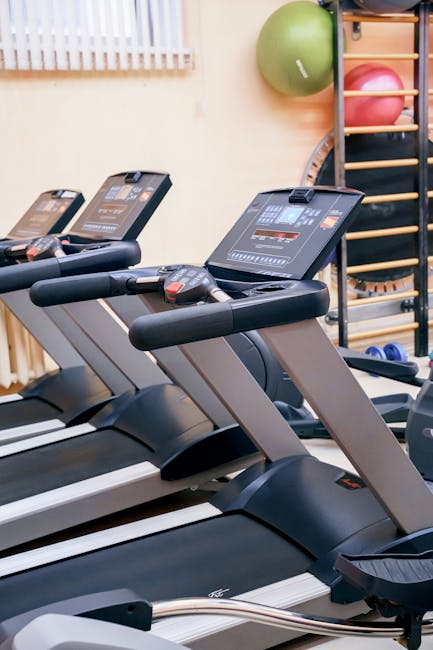
_result.jpg)

_result.jpg)


Moving bulky gym equipment in Hillingdon: safe solutions
Posted on 02/06/2026
Moving bulky gym equipment in Hillingdon: safe solutions for a safer, smoother move
Moving a treadmill, rowing machine, weight bench, or full home gym setup is one of those jobs that looks manageable until you're halfway down the stairs and the thing suddenly feels twice as heavy. If you're planning on moving bulky gym equipment in Hillingdon, the safest approach is rarely the fastest-looking one. It's the careful one: measure first, strip the equipment down properly, protect the floor and walls, and use the right lifting and loading method.
In Hillingdon, that matters even more if you're dealing with narrow hallways, maisonette stairs, basement rooms, shared entrances, or parking that makes timing a bit awkward. This guide walks you through safe solutions that actually work in real homes and small business spaces, not just in theory. You'll learn how to prepare equipment, avoid common injuries, choose the right moving method, and decide when it makes more sense to bring in a professional team such as a local man and van service in Hillingdon or a specialist removal crew.
Truth be told, gym equipment is awkward more than it is glamorous. Heavy, unbalanced, often expensive, and usually full of cables, consoles, pins, and delicate bits that don't like being rushed. A good move protects the equipment and your back. Simple as that.
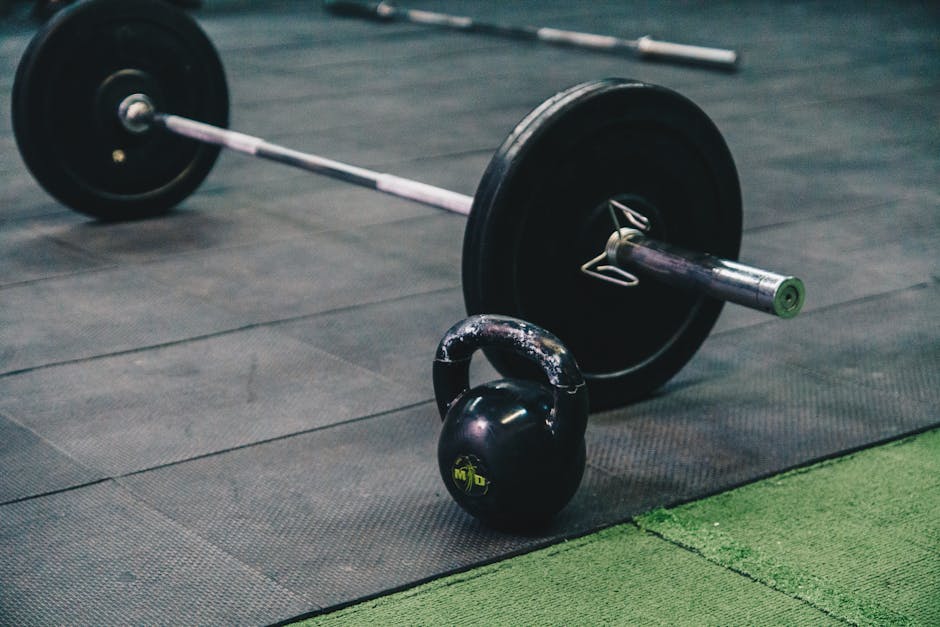
Why Moving bulky gym equipment in Hillingdon: safe solutions Matters
Bulky fitness equipment is different from ordinary furniture. A sofa is awkward. A treadmill can be awkward and fragile. An adjustable bench may not look too serious, but once you add a stack of plates, a console, rollers, belts, or a motor housing, the risk climbs quickly. If the equipment tips, scrapes, jams in a doorway, or gets dragged, the damage can be expensive. So can the injury.
The biggest issue is usually not brute strength. It's control. Treadmills shift weight in all the wrong places. Spin bikes have tight frames but delicate displays. Multi-gyms can have hidden pinch points and cables that snag at exactly the wrong moment. Even a short move from one room to another can become a problem if you haven't planned the route.
Hillingdon homes also bring their own quirks. You may have staircases with a tight turn, a flat with a narrow front door, or a driveway that only gives you a limited loading window. That's why local knowledge matters. In a lot of moves, the difference between a clean job and a stressful one is whether someone checked the route properly before lifting anything.
If you're already planning a larger move, it may help to read these house-moving tips and this guide to pre-move decluttering. Clearing the path before moving day is one of the easiest wins, honestly. Less clutter, fewer trip hazards, fewer bad surprises.
How Moving bulky gym equipment in Hillingdon: safe solutions Works
A safe move follows a sequence. Not fancy, just sensible. First, you identify what type of equipment you have and whether it can be dismantled. Then you measure the equipment and the route out of the property. Next, you secure loose parts, protect sensitive areas, and decide how many people are needed to move it.
For some items, a two-person lift is enough. For others, you'll want a trolley, lifting straps, corner protection, and a vehicle with enough clear loading space. If the equipment is especially heavy or top-heavy, you may also need to remove consoles, weights, handles, or motor covers before moving. That's not overcautious. That's normal.
The practical part of the process is usually a mix of planning and handling. A fitness machine may roll smoothly on a showroom floor, then snag on a doorstep or wobble on a paving stone. So the move needs to be treated as a sequence of small controlled actions rather than one heroic push. No heroics. Your back will thank you later.
Professional movers typically approach it by checking access first, then selecting equipment and loading order, then padding the item, then moving it with a stable grip and clear communication. That same process can be adapted for DIY moves, but only if the route is simple and the item is manageable.
Key Benefits and Practical Advantages
The first benefit is obvious: safety. Proper lifting, correct positioning, and the right handling tools reduce the chance of slips, strains, and collisions. That matters whether you're moving one machine or a whole home gym.
The second benefit is equipment protection. Gym kit is expensive, and some parts are far more delicate than they look. Console screens crack, cables stretch, belts shift, bolts loosen, and motors can be damaged if the machine is dragged on an angle. A careful move preserves both function and resale value.
The third benefit is time. It sounds counterintuitive, but a planned move is usually faster than an improvised one. Once the route is clear and the item has been prepared, the actual loading tends to go much more smoothly. No repeated re-lifting, no awkward pauses, no "wait, where did this bolt go?" moments.
There's also the simple benefit of calm. Let's face it, moving heavy kit can make a house feel chaotic very quickly. If you know what's being moved, what's being dismantled, and who is responsible for each step, the whole thing feels more controlled.
| Approach | Best for | Main advantage | Typical drawback |
|---|---|---|---|
| DIY move with friends | Light or compact items, short distances | Low direct cost | Higher risk if access is tight or the item is awkward |
| Man and van support | Single machines, small gym bundles, local moves | Flexible and practical | May still need dismantling and preparation beforehand |
| Specialist removal team | Heavy, valuable, or complex equipment | Better protection and handling | Usually costs more |
| Storage between moves | When the new space isn't ready yet | Reduces rush and clutter | Needs planning and suitable protection |
If your move includes other large items too, it can be useful to look at furniture removals in Hillingdon alongside the gym kit plan. One well-coordinated load is better than three awkward ones.
Who This Is For and When It Makes Sense
This topic is relevant to a lot more people than you might think. Homeowners moving treadmills or cross-trainers from a spare room to a new property? Absolutely. Tenants in flats who need to clear bulky fitness gear before checkout? Yes. Small gym owners relocating a handful of machines between sites? Definitely. Even students or sharers with a compact exercise setup can run into issues if the access is awkward.
It makes sense to use a safer, more structured approach when any of the following apply:
- the equipment is heavy, top-heavy, or difficult to grip
- the route includes stairs, tight corners, or narrow hallways
- the item has a motor, console, or electronic parts
- the floor is fragile, slippy, or recently fitted
- you need to move the item the same day as a house move
- the machine is going into storage before it is used again
For people in flats, access can be the whole story. If you're dealing with a smaller property, the guidance in flat removals in Hillingdon is relevant because the same problems often appear: tight entrances, shared spaces, and limited parking. It's not glamorous, but it's the reality of moving in and around London.
If your situation is urgent, this same-day removals guide can help you understand what to expect when time is tight. Not every equipment move can wait until next week, after all.
Step-by-Step Guidance
1. Identify the equipment type
Start by naming exactly what you're moving. Is it a treadmill, exercise bike, rowing machine, squat rack, weight bench, cable machine, or a set of free weights? The handling method changes depending on the shape, weight distribution, and whether it can be folded or split into parts.
For example, a folding treadmill may seem easier than a big commercial unit, but the console and running deck still need attention. A squat rack looks simple until you realise the uprights and crossbars are much easier to move when separated.
2. Measure the equipment and the route
Measure height, width, depth, and the widest point once any handles or feet are included. Then measure doorways, stair landings, hallway turns, and vehicle access. One centimetre can matter more than people expect. It's one of those annoying but very real details.
Also check the route for soft spots, loose rugs, cables, and anything else likely to catch. A route that looks fine in daylight can feel very different when you're carrying something bulky and can't see your feet properly.
3. Dismantle what can safely come off
Remove only the parts that are designed to come off. Consoles, pedals, weight stacks, bars, and detachable arms are common examples. Keep fasteners in labelled bags and tape them to the main frame or store them together in one clearly marked pouch.
A small label saying "treadmill bolts" might sound almost silly. It isn't. It saves time later and prevents the classic "which bag did that go in?" problem.
4. Protect the machine
Wrap sensitive surfaces with blankets, pads, or suitable moving protection. Secure loose cables and cover sharp corners. If the item has a screen, avoid pressure on that area. For weighted machines, make sure moving parts cannot swing during lifting or transport.
Bear in mind that wrapping is not just for scratches. It helps reduce vibration too, which matters for electronic equipment and some joined components.
5. Prepare the property
Open access points, remove trip hazards, and protect walls, bannisters, and floors if needed. In a small hallway, that might mean using temporary floor covering and keeping the route as clear as possible. If you're moving from a family home, it may be worth reading these hassle-free moving tips to keep the rest of the day under control too.
6. Use the right lift and carrying method
Keep the load close to the body, avoid twisting, and move in short, controlled steps. If the item is unstable, stop and reposition rather than forcing it through. Use clear verbal cues between helpers: "ready," "lift," "pause," "step down." Sounds basic. Works brilliantly.
If the item is too bulky for a straight carry, tilt-and-roll methods, two-person controlled pivots, or a dolly may be safer. This is where judgement matters more than strength.
7. Load in a stable order
Heavier items should be placed so they don't shift in transit. Anchor them against a stable bulkhead if possible and avoid stacking delicate equipment underneath heavier pieces. The final load should be snug, not wedged at random. Random is where the trouble starts.
8. Reassemble and test carefully
Once the equipment is in place, reattach parts methodically and test it before regular use. Check that bolts are tight, cables are routed correctly, and nothing is rubbing or pinched. If the equipment has electrical components, inspect for damage before plugging it in.
Expert Tips for Better Results
One of the best tips is to move the equipment earlier in the day if possible. You're usually more alert, there's better light, and there's less chance of rushing because the evening is creeping in. A move at 8 a.m. often feels very different from a move at 8 p.m.
Another useful habit is to take photos before dismantling anything. The pictures don't need to be beautiful. They just need to show cable routes, bolt positions, and how the machine was originally assembled. It's the easiest way to avoid guesswork later.
Where there are multiple items, decide the loading order before lifting. Put the heaviest, most awkward piece in first so the rest of the load can be arranged around it. If you leave the bulky item until the end, you'll probably end up shifting everything else twice. Nobody wants that.
And here's a surprisingly common one: wear proper shoes. Open-toed footwear and heavy equipment do not get along. At all.
For more insight into safe lifting technique, you may find this solo heavy lifting guide and this explanation of kinetic lifting useful. The language is simple, which helps when you're actually in the middle of a move and not feeling especially academic.
Small tip, but it matters: if a machine starts to feel unstable, stop and reset. The safest move is rarely the most dramatic one.
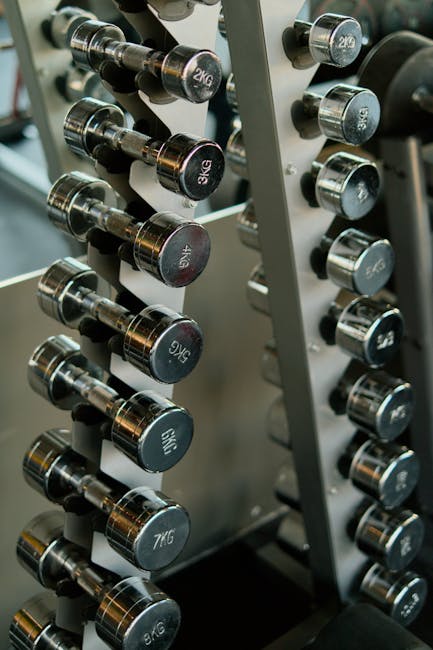
Common Mistakes to Avoid
People make the same mistakes with gym equipment again and again. The first is underestimating the weight. The second is not measuring properly. The third is assuming a machine can be pushed around like a shopping trolley. It can't. Well, not safely anyway.
- Skipping dismantling: leaving detachable parts on often makes the item heavier and more awkward.
- Ignoring route checks: door frames, stairs, and tight turns cause most surprise delays.
- Moving without enough people: one person may be fine for small kit, but not for a heavy treadmill.
- Using poor lifting posture: bending and twisting together is a classic way to strain your back.
- Dragging on hard floors: this can scratch flooring and damage the machine feet.
- Forgetting loose components: bolts, plugs, and console cables are easy to lose in the rush.
- Loading too quickly: rushing often creates the very delay you were trying to avoid.
Another common mistake is assuming the equipment will be fine "just for one trip." If it's important to you, handle it as if it matters. Because it does.
Tools, Resources and Recommendations
You don't need a warehouse full of gear, but the right kit makes a big difference. In most cases, a few practical items are enough:
- moving blankets or thick protective covers
- ratchet straps or secure tie-downs
- trolley or dolly for stable rolling
- work gloves with a decent grip
- floor protection for hard surfaces
- zip bags and labels for screws and fittings
- basic tools for dismantling approved parts only
For people planning a bigger move, it also helps to check packing and boxes in Hillingdon so smaller items can be grouped and labeled properly before the bulky kit comes out. A messy surrounding makes a heavy move feel twice as stressful.
If the equipment is being stored for a while, you may also want to read storage options in Hillingdon. Storage is especially useful when the new room is not ready yet or you're refurbishing a garage or spare room before reinstalling the equipment.
And if disposal or replacement is part of the story, it can help to think about sustainability too. The site's recycling and sustainability approach is relevant when an old machine is being cleared out rather than moved again.
Law, Compliance, Standards, or Best Practice
For most domestic moves, there is no special legal rule just for gym equipment. But that doesn't mean safety can be improvised. In the UK, good practice still matters: use appropriate manual handling methods, avoid lifting beyond your safe capability, and make sure anyone helping is briefed clearly before the move starts.
If the equipment is part of a business move, the expectations are even higher. Commercial removals should consider safe access, staff coordination, equipment isolation where relevant, and sensible risk assessment. You don't need a complicated document for every small job, but you do need a clear process. That's the difference between organised and chaotic.
It also helps to keep an eye on the terms of service, insurance position, and any conditions around handling valuable items. If you want to understand how a provider approaches those issues, the company's health and safety policy and insurance and safety information are useful places to start.
For any move involving higher-value specialist kit, a careful provider will usually discuss access, limitations, and handling responsibilities in advance. That's normal and reassuring, not a sign of difficulty.
Options, Methods, or Comparison Table
There isn't one perfect method for every piece of equipment. The safest choice depends on size, value, access, and how confident you are with handling it. Here's a plain-English comparison.
| Method | Best used for | What it does well | Watch out for |
|---|---|---|---|
| Manual carry | Small, lighter items | Simple and flexible | Hard on the body if the item is awkward |
| Two-person lift | Mid-sized equipment | Better balance and control | Needs coordination and clear communication |
| Dolly or trolley | Stable items on level ground | Reduces carrying strain | Can be unsafe on stairs or uneven thresholds |
| Professional removal | Large, valuable or difficult equipment | Improves safety and handling confidence | Needs pre-booking and may cost more |
If the item is part of a larger household move, compare that with a fuller service such as removal services in Hillingdon or removals in Hillingdon. Sometimes the simplest answer is to move everything in one planned run rather than splitting the job up.
Case Study or Real-World Example
Picture a common Hillingdon scenario: a household in a two-storey property wants to move a folding treadmill, a weight bench, and a compact spin bike from an upstairs spare room into a van. The items are not commercial-grade monsters, but the staircase has a turn near the middle and the landing is narrow. Easy enough in theory. A bit fiddly in reality.
The sensible plan would be:
- measure the treadmill at its widest folded point
- remove the console if the design allows it safely
- bag and label bolts immediately
- clear the staircase and protect the wall edges
- move the bench first, then the bike, then the treadmill
- use a two-person carry with one clear caller
That order matters. The lighter items go first so the staircase stays open for the most awkward machine. The treadmill comes last because it needs the most attention and the widest turning space. If the household had tried to move everything in a single rushed burst, they'd probably have spent longer re-adjusting than actually moving.
In a real job like that, a local crew might also pair the equipment move with a broader house move strategy. If you're interested in that wider picture, this local moving guide for Uxbridge High Street and this note on terraced home removals in Hayes UB3 are useful because they show how access and timing shape the whole day.
One small detail people often forget: after delivery, give the equipment a minute to settle before testing it. That quiet pause can save you from noticing a loose part the hard way.
Practical Checklist
Use this checklist before moving day. Print it, copy it, scribble on it. Whatever works.
- Identify every piece of equipment being moved
- Check whether each item can be dismantled safely
- Measure the equipment and the full route
- Confirm doorway widths, stairs, lifts, and vehicle access
- Clear clutter, mats, cables, and loose objects
- Protect floors, walls, corners, and bannisters
- Label screws, bolts, and detached parts
- Arrange enough people for the weight and shape involved
- Prepare straps, blankets, gloves, and a trolley if needed
- Decide the loading order before lifting starts
- Keep phones charged in case timing changes
- Double-check whether storage or reassembly will be needed
- Inspect the equipment after unloading before first use
Expert summary: The safest gym equipment move is the one that looks almost boring from the outside. Measure, dismantle only where appropriate, protect the route, lift with control, and don't rush the last ten percent. That's where most problems happen.
Conclusion
Moving heavy fitness equipment does not need to be a wrestling match. With a sensible plan, the right moving method, and a bit of patience, you can protect both the equipment and the people handling it. That's really the goal here: fewer surprises, less strain, and a move that feels organised rather than exhausting.
In Hillingdon, where access can vary from one property to the next, safe solutions are usually the practical ones. Measure properly, dismantle carefully, use the right tools, and bring in support when the item or access makes DIY risky. If you're combining gym equipment with other household items, a broader moving plan often gives you the smoothest result.
If you want help planning a safer local move, learn more about the team or explore the wider services overview before you decide what level of support you need.
Get a free quote today and see how much you can save.
And if you're staring at a treadmill in the corner right now wondering how it got so big, don't worry. You're not the first, and you definitely won't be the last.