_result.jpg)

_result.jpg)


Moving Near Uxbridge High Street? Local Removals Guide
Posted on 28/04/2026
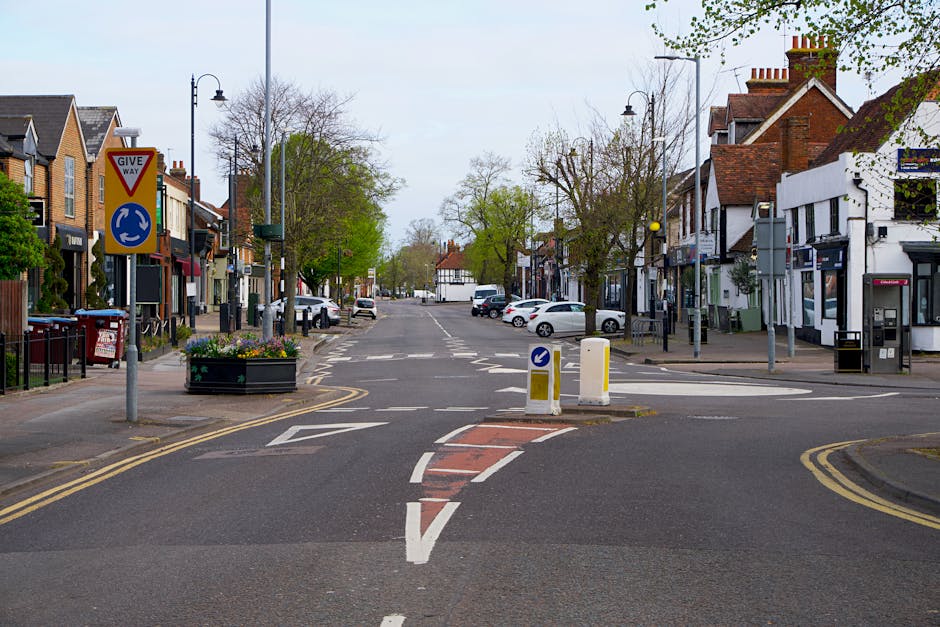
Moving close to Uxbridge High Street can look simple on a map and still be surprisingly tricky on moving day. Busy roads, limited loading space, flats above shops, tight stairwells, and the usual last-minute surprises can turn a straightforward relocation into a logistical puzzle. That is exactly why a local removals plan matters.
This guide breaks down what to expect, how a local move near Uxbridge High Street actually works, and how to make the process smoother whether you are moving into a flat above a parade of shops, a family home nearby, or a small office with awkward access. You will also find practical advice on packing, parking, timing, and choosing the right support for your move. If you want a calmer move and fewer expensive mistakes, this is the place to start.
For readers who are comparing options, it also helps to understand the difference between a full-service move and a lighter service such as a man and van service, especially when the route, access, and volume of items are manageable. The right choice depends on the property, the contents, and how much lifting you want to do yourself.
Why Moving Near Uxbridge High Street? Local Removals Guide Matters
Local moving is not just a smaller version of a long-distance move. Near Uxbridge High Street, the environment itself shapes the job. You may be dealing with peak traffic, pedestrian zones, deliveries competing for kerb space, and buildings with awkward access. A removal plan that works perfectly in a suburban cul-de-sac can fall apart in a town-centre setting.
This matters for three reasons. First, timing becomes critical. A van arriving ten minutes late may miss a loading opportunity and force a full re-plan. Second, access affects labour. Narrow entrances, shared staircases, and lift delays increase the time needed. Third, the property mix around busy high streets often includes smaller homes, upper-floor flats, and short-notice tenancy handovers, which means efficient packing and accurate loading are essential.
It is also worth thinking about the human side of the move. If you are juggling work, family responsibilities, or a tight tenancy deadline, the difference between a tidy, well-sequenced move and a rushed one is huge. A solid local removals approach reduces stress, cuts avoidable damage, and makes the day feel manageable instead of chaotic. Truth be told, that calm is often what people remember most.
Expert summary: The closer your move is to a busy high street, the more planning matters. Access, timing, parking, and packing quality will influence cost, speed, and stress more than distance alone.
If you want background on the company, values, and approach before booking anything, the about us page is a useful starting point. It gives context for the kind of service standards you should expect from a professional local mover.
How Moving Near Uxbridge High Street? Local Removals Guide Works
A good local removal process starts long before the van pulls up. The first step is usually a brief discussion about what you are moving, where you are moving from, where you are going, and whether there are access issues. That might include restricted parking, basement storage, flights of stairs, or items that need special handling.
From there, the mover should help you match the service to the job. For example, a smaller flat move with a few large items may suit a simple vehicle-and-labour arrangement. A larger house move, or one with fragile furniture, may need a fuller service that includes packing support, furniture protection, or storage. If you are unsure, a broader services overview can help you compare what is typically included.
The practical sequence is usually:
- Initial enquiry and move details.
- Assessment of access, volume, and timing.
- Quote or estimated price.
- Packing and preparation.
- Loading, transport, and unloading.
- Final placement of items and basic checks.
In a busy area, the loading stage often becomes the critical point. If the van cannot park directly outside, carrying distance increases. If lifts are shared or unavailable, the team may need more time to move furniture safely. That is why local knowledge is valuable. A mover who has worked in similar central or high-street settings understands how to pace the day without wasting time.
For many residents, packing makes or breaks the move. A practical guide like mastering the art of packing for your upcoming house move is worth reading before you touch a single box. Good packing reduces breakages and makes unloading far easier.
Key Benefits and Practical Advantages
Choosing a local removals service for a move near Uxbridge High Street brings a few clear advantages. Some are obvious, others show up only once moving day starts.
- Better route familiarity: Local crews are more likely to know typical bottlenecks, parking patterns, and access quirks.
- More flexible scheduling: Shorter travel time often makes it easier to arrange early starts or responsive booking slots.
- Lower risk of delays: If the team knows the area, they can plan around traffic and loading conditions more effectively.
- More suitable vehicle choice: The right-sized van matters in town-centre settings where manoeuvring space is limited.
- Less strain on you: Professional loading and lifting reduce the physical burden, especially with stairs or bulky furniture.
There is also a subtler benefit: fewer surprises. Local removal teams tend to notice the kinds of details that first-time movers miss. A low doorway. A narrow turn into the car park. A high curb that makes trolley work awkward. These small things are not glamorous, but they determine whether the day runs smoothly.
For people downsizing or moving into a compact property, a local move can also be a good moment to declutter. If that is part of your plan, efficient decluttering tips before moving house offers a sensible way to reduce volume before the van arrives. Less stuff usually means less cost and less pressure.
Who This Is For and When It Makes Sense
This guide is especially useful if you are moving from or to:
- a flat above shops near the high street;
- a terraced property with limited parking;
- a shared house with narrow hallways or steep stairs;
- student accommodation or a first rented home;
- a small office or studio space in a busy commercial area;
- a property where access windows are tight and timing matters.
It also makes sense for anyone who wants a structured move without overpaying for services they do not need. Not every move requires a large crew. Not every move can be handled by a single person and a hatchback either. The sweet spot is choosing a service that fits the real conditions on the ground.
If you are moving furniture, large appliances, or awkwardly shaped pieces, the type of removal help matters even more. Dedicated support such as furniture removals is often the safer choice for bulky items, especially when there are turns, stairs, or tight doorways involved.
Families, tenants on a deadline, students moving between terms, and professionals relocating for work all benefit from the same principle: match the removals method to the actual move, not just the postcode.
Step-by-Step Guidance
Here is a practical way to organise a move near Uxbridge High Street without turning your week upside down.
1. Confirm your move details early
Write down the essentials: addresses, dates, floor levels, parking limitations, large items, and any time restrictions. The more accurate your brief, the more accurate the plan and quote are likely to be.
2. Measure the awkward things
Do not guess on sofas, wardrobes, beds, or washing machines. Measure width, height, and depth, then compare those figures with doorways, stair turns, and lift dimensions. A five-minute measurement can save a very long argument later.
3. Book the right support
If you have several rooms of furniture and boxes, consider a more complete removals package. If you only need a few bulky items transported, a lighter service may be enough. For time-sensitive jobs, a same-day removals service can sometimes be the practical answer, provided availability and logistics line up.
4. Pack by room and priority
Pack one room at a time and label boxes clearly. Keep essentials separate. If the first hour in the new place is spent searching for kettle leads, bedding, and toiletries, the move feels longer than it is.
5. Prepare the property
Protect floors, clear hallways, and disconnect appliances safely. If you have time, a final clean helps too. A useful reference is pre-move house cleaning, which covers the kind of detail that often gets forgotten in the final rush.
6. Load strategically
Heavy and sturdy items should normally go in first, with fragile boxes secured so they cannot shift. Good loading is not just about making the van fit; it is about preventing movement in transit.
7. Unload with a plan
When you arrive, place boxes in the correct rooms first. Furniture should go where it belongs before you start opening every box. That keeps the property usable while you unpack.
8. Check and settle
Once everything is in place, walk through the property and check for missing items, damage, or pieces that need reassembly. A calm final check is far easier than trying to remember everything a day later.
Expert Tips for Better Results
A few small decisions can make a large difference on moving day.
- Choose a realistic moving window: Midday traffic near busy retail areas can slow everything down. Early starts often work better.
- Use colour coding for boxes: A simple coloured sticker system is faster than trying to read tiny labels under pressure.
- Keep a first-night bag: Include chargers, medication, documents, toiletries, and one change of clothes. You will thank yourself later.
- Protect the awkward items first: Mirrors, TVs, mattress surfaces, and table corners benefit from proper wrapping before the van arrives.
- Ask about insurance and handling procedures: Reputable movers should be clear about safety, loading methods, and what happens if something unexpected occurs.
A useful technical area that people often ignore is lifting technique. The body is not designed to twist under load while carrying a double wardrobe down a narrow staircase. If you want to understand why, the article on kinetic lifting explains the basics in plain English. It is not glamorous, but it is practical.
And if there is a piano involved, do not improvise. Piano moves are a different category entirely. The wrong lift can damage both the instrument and the property. Read why professionals should handle piano relocation before deciding to tackle one yourself.

Common Mistakes to Avoid
Most moving problems near a high street are preventable. The issue is rarely lack of effort. It is usually poor planning.
- Underestimating access: A move can look easy until you discover the only parking space is already taken.
- Leaving packing too late: Rushed boxes break more easily and take longer to load.
- Overfilling boxes: Heavy cartons are harder to carry and more likely to split.
- Ignoring furniture dimensions: A sofa that fits your lounge may not fit the stairwell on the way out.
- Not separating essentials: Important documents, keys, medication, and chargers should never be buried in a random box.
- Booking based on price alone: The cheapest quote can become expensive if the move takes longer than expected or lacks the right equipment.
One of the most common mistakes is treating a local move like a quick errand rather than a coordinated job. That mindset leads to half-packed boxes, forgotten items, and a van that arrives before you are ready. A little structure goes a long way.
If you have heavy pieces but are tempted to move them alone, it is worth reading safe techniques for lifting heavy objects solo. Sometimes the smartest move is deciding not to do it solo at all.
Tools, Resources and Recommendations
You do not need specialist equipment for every move, but the right basics make life easier.
| Item | Why it helps | Best for |
|---|---|---|
| Strong double-walled boxes | Better protection and stacking stability | Books, kitchenware, mixed household items |
| Bubble wrap or packing paper | Cushions fragile items and fills gaps | Glassware, ornaments, electronics |
| Furniture covers | Reduces scuffs and dirt transfer | Sofas, mattresses, upholstered pieces |
| Straps and ties | Secures items during transport | Loose furniture and bundled boxes |
| Labels and marker pens | Makes unloading faster and more organised | Every box and bag |
| Trolley or sack truck | Reduces lifting strain over short distances | Heavy boxes and appliances |
For larger or more delicate homes, storage can also be useful. Perhaps your completion date has shifted, or you simply need a few weeks between properties. In those cases, a local storage solution can bridge the gap without forcing a rushed move.
Another practical resource is packing supply support. If you would rather not source everything yourself, the packing and boxes page is worth reviewing. It can save time, and time is often the thing people run out of first.
For peace of mind on service standards and customer care, it also helps to check the company's support pages before booking, including pricing and quotes and insurance and safety. These pages tell you a lot about how a provider operates.
Law, Compliance, Standards and Best Practice
Most residential removals are straightforward, but there are still sensible standards to follow. You should expect a professional mover to work safely, respect property access rules, and handle goods in a way that reflects ordinary UK best practice. That includes careful lifting, safe loading, and a clear approach to protecting both your belongings and the building.
If a move takes place in a shared building, there may be additional requirements from the landlord, managing agent, or building management. These can include lift booking rules, delivery time windows, or expectations around floor protection. It is sensible to ask about them in advance rather than discovering them on the day.
For businesses, there may also be separate expectations around access, loading bays, and security. An office relocation in a busy area usually needs tighter coordination than a standard home move. Where that is relevant, it is sensible to look at office removals support and plan around trading hours, IT equipment, and document handling.
From a safety perspective, good movers should have clear internal processes and documented standards. If you want to see how a provider approaches this, review health and safety policy information alongside their general terms. It is a good sign when those details are easy to find and written in plain language.
Customer confidence also depends on how a company handles payments, complaints, and data. That is why support pages such as payment and security, complaints procedure, and privacy policy are not just legal paperwork; they are part of the trust picture.
Options, Methods and Comparison Table
Different moves call for different approaches. Here is a simple comparison to help you choose the right style of help.
| Option | Best for | Strengths | Watch-outs |
|---|---|---|---|
| DIY move | Very small loads and short distances | Lower upfront cost, full control | High physical effort, more risk of damage, time-consuming |
| Man and van | Small to medium local moves | Flexible, efficient, good for tight urban access | May need you to help pack or carry, depending on booking |
| Full removals service | Larger homes, heavy furniture, complex access | Less stress, more support, better for fragile or bulky items | Usually costs more than a basic vehicle-only option |
| Storage plus removals | Gap between moves or renovation delays | Useful if completion dates shift or space is limited | Requires more planning and coordination |
If you are moving a small flat near the high street, a flat removals service may be the most sensible balance of cost and convenience. If you are moving in as a student or to a short-let property, a smaller load and a faster turnaround often make that route even more attractive. For heavier furniture-only jobs, a dedicated removals service may be the better fit.
There is no single correct answer. The best choice depends on volume, building access, and how much risk you want to carry yourself. In our experience, people are happiest when they choose the level of help that matches the awkwardness of the property, not just the number of boxes.
Case Study or Real-World Example
Consider a typical move from a two-bedroom flat just off the high street into another rented property nearby. On paper, the journey is short. In practice, the challenges are access and timing. The old flat has a shared stairwell, the new one has limited parking, and both properties sit in busy streets where deliveries compete with traffic.
A well-planned local removals day for this kind of move usually looks like this:
- Boxes are packed and labelled by room two days before the move.
- Large items such as beds, wardrobes, and a sofa are measured in advance.
- Essentials are separated into a bag kept with the homeowner.
- The mover arrives early, before peak congestion builds.
- Items are loaded in a sequence that protects delicate boxes and reduces rehandling.
- At the new property, boxes are taken to the correct rooms first.
The result is not magical. It is simply organised. The move still takes effort, but the effort is directed where it matters. Instead of improvising on a staircase while somebody tries to hold a door open and answer a phone call, everyone knows the plan. That is usually the difference between a smooth day and a stressful one.
For a similar mindset applied to awkward, oversized household items, the article on bed and mattress relocation is a useful reference. It shows how one careful decision can prevent a chain of small problems.
Practical Checklist
Use this simple checklist in the week before your move near Uxbridge High Street.
- Confirm moving date, arrival time, and contact numbers.
- Check parking and loading restrictions at both properties.
- Measure large furniture and doorways.
- Label boxes by room and priority.
- Separate essentials for the first night.
- Protect fragile items with suitable wrapping.
- Disassemble furniture where needed.
- Defrost and prepare appliances in advance if required.
- Clear hallways, staircases, and entrances.
- Tell neighbours or building management if access will be busy.
- Keep keys, documents, and valuables with you.
- Walk through both properties after unloading.
If you are moving a freezer, sofa, or other items that may need longer-term protection, related advice can help you prepare properly. See freezer storage tips and ideas for keeping a sofa safe in storage for practical handling guidance.
Conclusion
Moving near Uxbridge High Street is absolutely manageable, but it rewards planning. The closer you are to a busy commercial stretch, the more you need to think about parking, access, timing, and the physical reality of getting furniture in and out safely. A good local removals plan is not about making the move feel huge; it is about making the day feel controlled.
Keep the process simple. Measure what matters. Pack properly. Choose the right level of support. And do not assume the shortest route is always the easiest one on moving day. If you take care of the details early, the rest becomes much calmer.
Get a free quote today and see how much you can save.
Ready to take the next step? Speak with a team that understands local access, careful handling, and practical scheduling. You can start with the contact page to request a quote and discuss the details of your move.