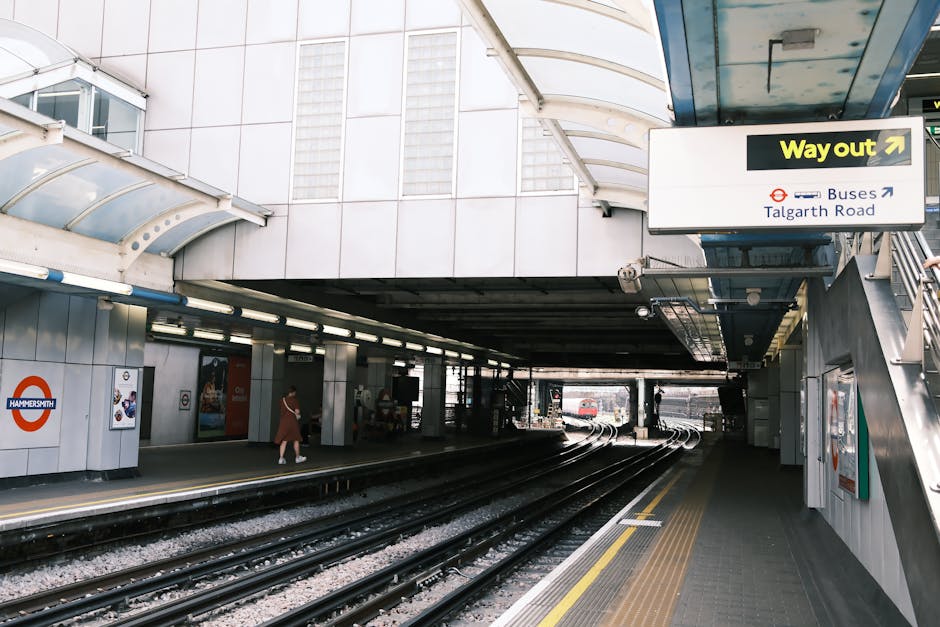
Ickenham station removals local route and parking tips
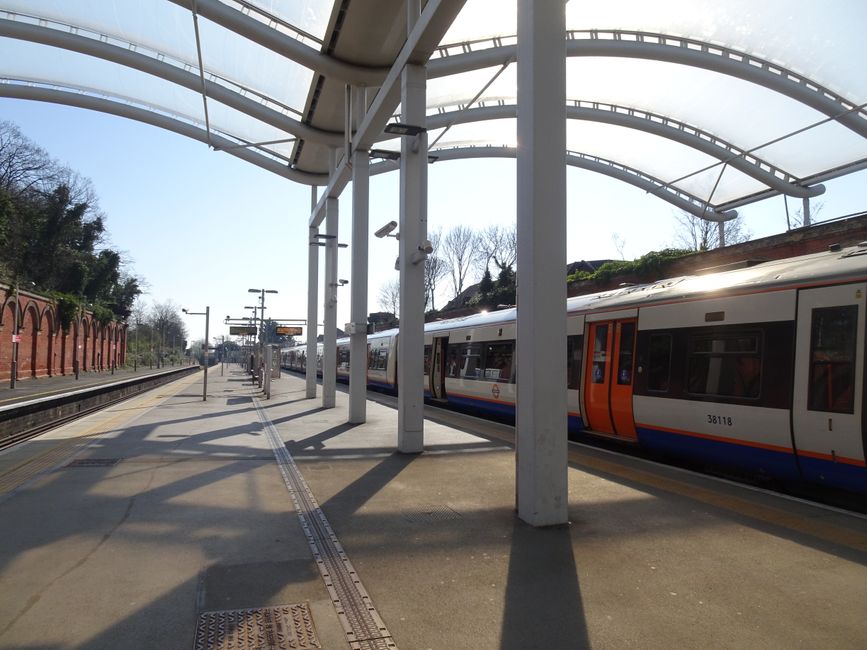
If you are planning a move around Ickenham Station, the small details can make a surprisingly big difference. A van that arrives ten minutes late, a route that catches school traffic, or a parking space that looks fine until you try to unload a wardrobe can turn a straightforward job into a stressful one. This guide on Ickenham station removals local route and parking tips is designed to help you avoid exactly that.
Whether you are moving a flat near the station, shifting office equipment, or booking a man and van for a same-day collection, the smartest approach is usually the same: plan the route, plan the parking, and leave a little breathing room. Sounds simple. It rarely is, to be fair. But with the right preparation, local removals around Ickenham Station become much easier to manage, and far less chaotic on the day.
Below you will find a practical, local-first breakdown of what matters, how the job typically works, where people go wrong, and how to stay one step ahead. If you want a broader overview of moving support, you may also find the company's removals and man and van pages useful alongside this guide.
Why Ickenham station removals local route and parking tips Matters
Ickenham Station sits in a part of west London where access can feel easy on a map and awkward in real life. Nearby roads can narrow quickly, timed parking can limit how long you can stay put, and commuter traffic can build before you have even finished your first lift. That is why route planning and parking advice are not a side note. They are part of the move itself.
For station-area removals, the biggest challenge is often not the carrying. It is the transition between the vehicle and the property. If the van cannot park close enough, every extra metre means extra time, extra effort, and extra risk of knocks or slips. In practical terms, that means a carefully chosen stopping point can save more time than an extra pair of hands. A lot more, actually.
There is also the human side of it. If you have ever tried to juggle keys, boxes, a trolley, and a parking question while someone in the background is asking where the kettle went, you will know the feeling. A good route and parking plan reduces that pressure. It gives everyone a bit of headspace, which matters more than people think.
Expert summary: Around Ickenham Station, the move is usually won or lost before the first item is carried. A sensible route, a realistic parking plan, and a small buffer for delays are what keep the day steady.
How Ickenham station removals local route and parking tips Works
The process is straightforward in principle. You decide where the vehicle will approach from, where it can safely stop, how long it can remain there, and how the team will move items from the vehicle to the entrance. But the details matter, and those details are what often trip people up.
1. Route planning starts before moving day
The best route is not always the shortest one. Around railway stations, you often want the route that offers fewer turns, less stop-start traffic, and better visibility for the driver. If a narrow side road saves two minutes on paper but makes loading awkward, it is probably the wrong choice.
For example, a morning move may be better approached from a road that avoids the worst commuter flow, even if it adds a little distance. A slightly longer drive can be the smarter move if it gives the van an easier arrival and a cleaner exit.
2. Parking is a loading strategy, not just a place to stop
Good parking for removals is about more than finding a space. It is about choosing a position that keeps lifts short, avoids blocking traffic, and reduces the chance of fines or complaints. Near station roads, that may mean checking whether the space is marked, timed, shared with residents, or likely to be busy at certain hours.
If you are booking a vehicle such as a removal van or moving van, think about door access, kerb height, and whether the vehicle can sit in line with the property entrance without creating a hazard. Sometimes a legal, slightly less convenient spot is better than a closer but awkward one.
3. The loading plan should match the parking plan
Once the stopping point is chosen, the team should know the order of loading. Heavy items first? Usually. Fragile items stacked last? Often. The point is not to follow a rigid formula, but to make the route from property to vehicle as short and predictable as possible. If furniture needs to be dismantled, that should be done before the van arrives or immediately after parking, not while the parking clock is ticking.
4. Build in a delay buffer
Station areas can be unpredictable. A train arrival can alter pedestrian flow, a delivery vehicle can block a useful bay, or a school run can change the rhythm of the street. A 15 to 20 minute cushion is often enough to stop a minor delay becoming a domino effect.
Key Benefits and Practical Advantages
When people get the route and parking right, the benefits are immediate. You save time, but that is only part of it. The move tends to feel calmer, cleaner, and less physically demanding too.
- Shorter carrying distances: fewer steps between the front door and the vehicle means quicker loading and less fatigue.
- Lower risk of damage: shorter routes reduce the number of turns, door frames, stairs, and tight corners involved.
- Better schedule control: an organised parking plan reduces the chance of waiting around while the driver circles.
- Less stress for neighbours and passers-by: a tidy, predictable loading setup is simply more considerate.
- More efficient use of labour: movers can focus on moving, not on improvising access every five minutes.
There is a quiet advantage too. When the access feels under control, decisions get better. Teams place items more carefully. Owners ask more useful questions. Nobody is sprinting. It sounds minor, but in moving work, calm is productive.
If you are comparing move types, the difference can be especially noticeable between a compact household move and a larger commercial job. For a business relocation, the parking plan may need to support repeated trips, crate handling, and a stricter timetable. In that case, looking at office removals or commercial moves can help set the right expectations.
Who This Is For and When It Makes Sense
This guide is useful for anyone moving into, out of, or near the station area, but it is especially relevant if your property has limited frontage, shared access, or parking restrictions. A first-floor flat, a small terrace, or a mixed-use building near the station can all create access issues that are easy to underestimate.
It also makes sense if you are:
- moving household furniture from a flat near Ickenham Station;
- booking a same-day collection where timing matters;
- relocating a small business or home office;
- arranging a furniture pick-up with bulky items;
- trying to keep costs down by reducing wasted time on the day.
Truth be told, many people only think about parking once the van is already nearby. That is usually the expensive moment. If your move involves stairs, awkward items, or a narrow street close to the station, it is worth planning as early as possible.
For people who want a flexible, smaller-scale option, a man and van removals service is often a better fit than a larger truck. The vehicle can be easier to place, turn, and manage in tight local roads. But the same route-and-parking logic still applies.
Step-by-Step Guidance
Here is a simple way to organise a station-area move without overcomplicating it.
- Map the property access first. Check the road layout, where the van could stop, and whether there is any obvious obstruction such as bends, railings, loading-only areas, or narrow corners.
- Work out the best arrival window. Avoid obvious peaks if you can. Early mornings are often easier than late mornings around commuter routes, though local traffic can still change quickly.
- Confirm parking permissions or restrictions. If the area has permit controls, time limits, or resident bays, plan around them rather than assuming a quick stop will be fine.
- Decide what goes first. Large furniture, white goods, or boxed items should be grouped logically so the unloading order does not become a puzzle.
- Prepare the front door zone. Keep the entrance clear. That means no loose shoes, bins, parcel clutter, or anything likely to cause a stumble.
- Check the lift route inside the building. If there is an internal lift, measure it, test access if possible, and think about whether larger items should use stairs instead.
- Keep one person on parking watch. On a busy road, a little coordination helps. One person can watch the vehicle while others focus on lifting.
- Review the exit plan. Do not only plan how the van arrives. Plan how it leaves too. A clean departure matters when roads are busy.
If you are using professional help, a good team will usually ask about these points anyway. That is a good sign. It means they are thinking about the job as a whole, not just the lifting. If you want a better idea of service options, the pages for removals near me and removal services can be useful starting points.
Expert Tips for Better Results
These are the small things that usually make a move feel easier. Not flashy, just useful.
- Arrive with a parking fallback. Have a second acceptable stopping point in mind in case the first choice is occupied.
- Use colour-coded labels. Boxes marked by room help the unloading side enormously, especially if the van has to park a little further away than planned.
- Protect corners before the team arrives. A few minutes with blankets, wrap, or corner guards can save a lot of awkwardness later.
- Keep essentials separate. Keys, documents, chargers, and tea-making bits should not disappear into the main pile. That is asking for trouble.
- Ask about vehicle size early. A smaller vehicle can sometimes be more effective near the station than a larger one that takes three attempts to position. Bigger is not always better. Annoying, but true.
- Do a quick street scan before unloading. Look for delivery vans, school traffic, or any temporary obstruction before the first item comes out.
A small human moment here: we once saw a move stalled because someone had parked directly opposite the most useful doorway, and the team spent longer negotiating the road than lifting the sofa. Nobody was thrilled. Everyone laughed about it later, but only because the job eventually got done.
Also, if the move includes packed household goods, the quality of the packing matters just as much as the route. A tighter stack is easier to move safely. For that reason, packing and unpacking services can save a fair bit of time and reduce the small errors that build up when people are rushed.
Common Mistakes to Avoid
Most moving-day problems are predictable. That is the frustrating part. The good news is they are also avoidable if you know what to look for.
- Assuming the nearest space is the best space. Sometimes it is, often it is not.
- Ignoring time-based restrictions. A space that looks ideal at 7 a.m. may be a poor choice by 9 a.m.
- Booking a van without checking access width. This is a classic mistake and a very preventable one.
- Leaving dismantling until the vehicle arrives. That creates pressure, and pressure causes mistakes.
- Forgetting about return access. If the van parks in a place that is easy to enter but awkward to leave, the end of the move becomes messy.
- Not telling the movers about stairs, lifts, or tight hallways. The team cannot plan around what it does not know.
There is also a subtle one people miss: not checking the weather. A wet path, a slippery threshold, or a bit of drizzle on a metal ramp changes the whole feel of the move. It is not dramatic, just different enough to matter. Especially with heavier items.
Tools, Resources and Recommendations
You do not need a huge toolkit to get this right, but a few practical items help.
| Item | Why it helps | Best used for |
|---|---|---|
| Measuring tape | Checks doorway, stair, and van-fit issues before the day | Furniture, appliances, tight access |
| Mobile phone with notes | Useful for parking instructions, access details, and quick updates | Coordination with movers or family |
| Labels and marker pens | Makes unloading faster and less confusing | Boxes, room sorting, fragile items |
| Furniture blankets and straps | Protects items during short carries and vehicle loading | Wardrobes, tables, mirrors |
| Trolley or sack barrow | Reduces strain for heavier items where the route allows it | Boxes, appliances, stock |
For larger moves, vehicle choice matters too. A compact man with van setup can be ideal where parking is tight, while a bigger moving truck may suit multi-room moves with easier access. The right option depends on access, volume, and how far the load needs to travel from the vehicle to the door.
If you want to compare providers or understand service scope before booking, it can help to review removal companies and removal company pages alongside this article. That keeps your expectations grounded, which is always a good thing.
Law, Compliance, Standards, or Best Practice
Parking and loading near stations in London should be approached with care. You should always follow the relevant road signs, local parking rules, and any permit or loading restrictions that apply to the street. If you are unsure, treat uncertainty as a warning sign and choose the safer option. That is the sensible route, really.
From a removals perspective, best practice usually includes:
- keeping access routes clear for pedestrians;
- not blocking driveways, crossings, or emergency access;
- respecting time-limited parking bays and loading zones;
- using safe lifting methods and proper handling for heavy items;
- checking that the vehicle is suitable for the street and the load.
For customers, it also helps to read service terms carefully and understand what is included, what is not, and how waiting time or access issues are handled. That is where the company's terms and conditions and insurance and safety information can be useful. If a move involves protected items or fragile surfaces, safety should not be treated like an optional extra.
One more practical note: waste and unwanted items should be handled responsibly. If you are clearing furniture as part of the move, the recycling and sustainability page is worth a look. It is a cleaner, more thoughtful way to deal with the bits you do not want to take with you.
Options, Methods, or Comparison Table
Different moving setups suit different station-area jobs. Here is a simple comparison to help you choose.
| Method | Best for | Strengths | Trade-offs |
|---|---|---|---|
| Man and van | Small to medium moves, tight roads, short loading distances | Flexible, easier to position, often practical near stations | May need more trips for larger loads |
| Removal van | Standard household moves with moderate access | Balanced size, efficient for mixed loads | Can be awkward if parking is very limited |
| Moving truck | Larger home or business moves | Higher capacity, fewer total journeys | Needs more space and clearer road access |
If your property is close to the station and access is tight, the smallest practical vehicle is often the smartest. If you are moving more volume than you first expected, a second run can be less efficient than choosing a better-sized vehicle from the start. This is where honest discussion with the mover pays off.
Case Study or Real-World Example
Imagine a two-bedroom flat a short walk from Ickenham Station. The residents want to move out on a weekday morning because they have work later and want the afternoon free. They have a sofa, bed frames, several boxes, and a couple of awkward lamps that do not stack well. Not a huge move, but not tiny either.
First, the access is checked. The road near the property is narrow enough that parking on the immediate frontage is not always realistic, so the plan shifts to a nearby position with a shorter but safer carry. The arrival is scheduled early enough to avoid the busiest part of the commuter flow. Boxes are labelled by room, and the bed frames are taken apart before the van arrives. Simple stuff, but it saves time.
On the day, one parking option is already occupied, so the fallback is used without drama. The carry is a little longer than expected, maybe 20 or 30 metres more, but because everything else was planned well, it barely changes the pace of the job. No frantic reshuffling. No last-minute debate in the street. Just steady progress.
The key lesson? Around station areas, the best move is rarely the one that looks perfect on paper. It is the one that still works when a parking bay is taken, a delivery van appears, or the schedule shifts slightly. That bit of flexibility saves the day.
Practical Checklist
Use this checklist before moving day. It is plain, but useful.
- Confirm the exact property address and access point.
- Check likely parking options near the station area.
- Note any permit, time-limit, or loading restrictions.
- Measure large furniture and doorways.
- Decide whether a man and van, removal van, or moving truck is the best fit.
- Separate essential items you need immediately.
- Label boxes clearly by room and priority.
- Clear the front entrance and internal pathways.
- Share contact numbers with the moving team.
- Plan a backup parking option in case the first choice is unavailable.
- Set aside cleaning cloths, tape, chargers, and basic tools.
- Check the weather and protect items accordingly.
If you are still comparing move types or need a broader home-moving plan, the company's home moves and house removals pages may help you think through the next step.
Get a free quote today and see how much you can save.
Conclusion
Moving near Ickenham Station does not have to feel like a gamble. If you give route planning and parking the attention they deserve, the whole job becomes calmer, safer, and usually faster too. That means less carrying, fewer delays, and far fewer awkward moments in the street with a half-blocked van and an impatient clock.
The best approach is usually the simplest one: choose the right vehicle, plan the access, keep a backup in mind, and stay realistic about timing. A good local move is not just about strength or speed. It is about judgment. And when that judgment is sound, the day tends to unfold much more smoothly than people expect.
At the end of the day, a well-planned move gives you something valuable: a little breathing room. And moving day, let's face it, could use a bit more of that.
Frequently Asked Questions
What is the best vehicle for removals near Ickenham Station?
It depends on the load and access. For tighter roads and smaller moves, a man and van or removal van is often the most practical choice. Larger house or office moves may need a moving truck, but only if parking and street width allow it.
How early should I plan parking for a station-area move?
As early as you can. Ideally, parking should be thought through before the moving date is fixed. That gives you time to check restrictions, choose a fallback, and avoid last-minute problems.
Do I need to reserve parking near Ickenham Station?
Sometimes yes, sometimes no. It depends on the street, the restrictions, and whether you can use a legal loading bay or another suitable space. Always check local signs and plan as if the first option may be unavailable.
What if the van cannot park right outside the property?
That is common in station areas. The move can still work well if the carry route is short and safe. The important thing is to know the distance in advance and choose the right team size and vehicle.
Is a man and van enough for a flat near the station?
Often yes, especially for studio or one-bedroom moves and smaller household loads. If you have more furniture than expected, it may be worth upgrading to a larger van or discussing the load clearly before booking.
How do I avoid delays on moving day?
Choose a sensible arrival time, clear the access route, label everything well, and have a backup parking option. Those four things solve a surprising number of problems.
Should I dismantle furniture before the movers arrive?
If possible, yes. Dismantling beds, shelving, and large tables beforehand can save time and reduce pressure on the day. It also makes loading easier and safer.
Are there special rules for loading near stations?
There can be. Many station areas have time-based restrictions, loading-only bays, or parking controls that change through the day. Always follow the signs and any local rules that apply.
What should I do if parking is busy when the van arrives?
Have a second option ready. If the first space is taken, a driver and customer who have already discussed alternatives can usually adapt without too much fuss. It is one of those things that feels small until it is not.
Can I combine furniture pick-up with my house move?
Yes, if the load and timing work together. A separate furniture pick up can also make sense for items you do not want to take with you, especially during a declutter.
What should I look for in a removals company?
Look for clear communication, realistic access planning, sensible vehicle choice, and proper attention to safety. It also helps if they explain costs clearly and do not gloss over parking or waiting-time issues.
Is it worth using packing help for a local move?
Yes, if time is tight or you have fragile, awkward, or numerous items. Packing support can reduce stress and make the actual move more efficient, which is helpful when parking close to the station is not straightforward.